Bridges, boats and birds

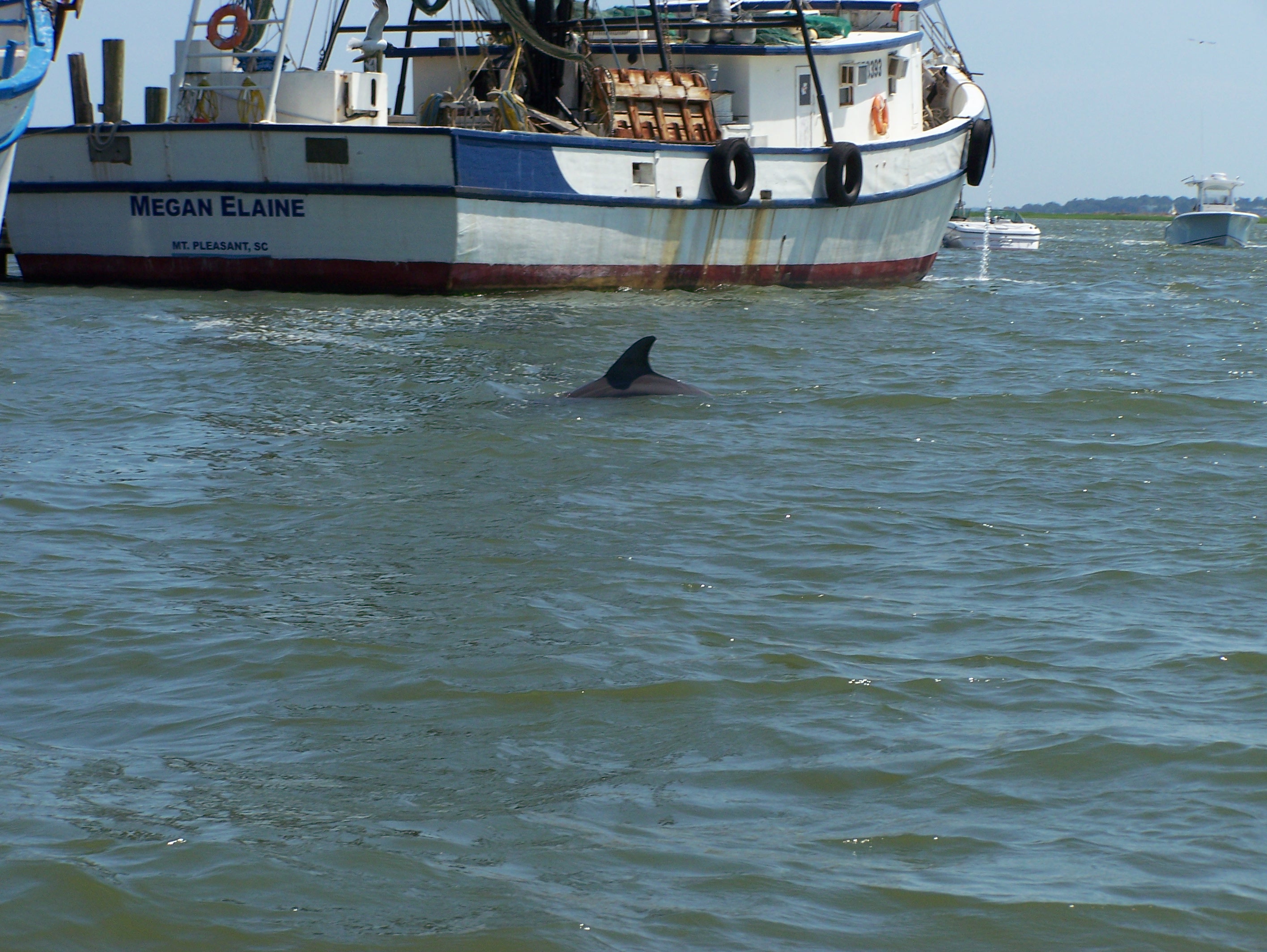
Dolphin playing in Shem Creek

Yesterday I was lazy.  About my writing, at least.  I spent the day on the water, enjoying the sun and the ocean breeze and the spray off the bow of a boat.  I saw several pods of dolphins playing in Shem Creek, and a flock of pelicans crowded up against a fishing boat.  I hear there’s a family of manatees underneath a dock there, too, but they weren’t out.  Now that I know where to watch for them, though, I’ll keep looking.

I felt guilty for about 3 minutes yesterday as I pulled on my bathing suit and made a conscious decision not to write.  But there are times when we need to refuel, and it was one of those days for me.  I’d been hard at work on the novel, and also finishing up applications for scholarships and residencies, and it was time for a break.  I needed to clear my head to make room for new stuff.
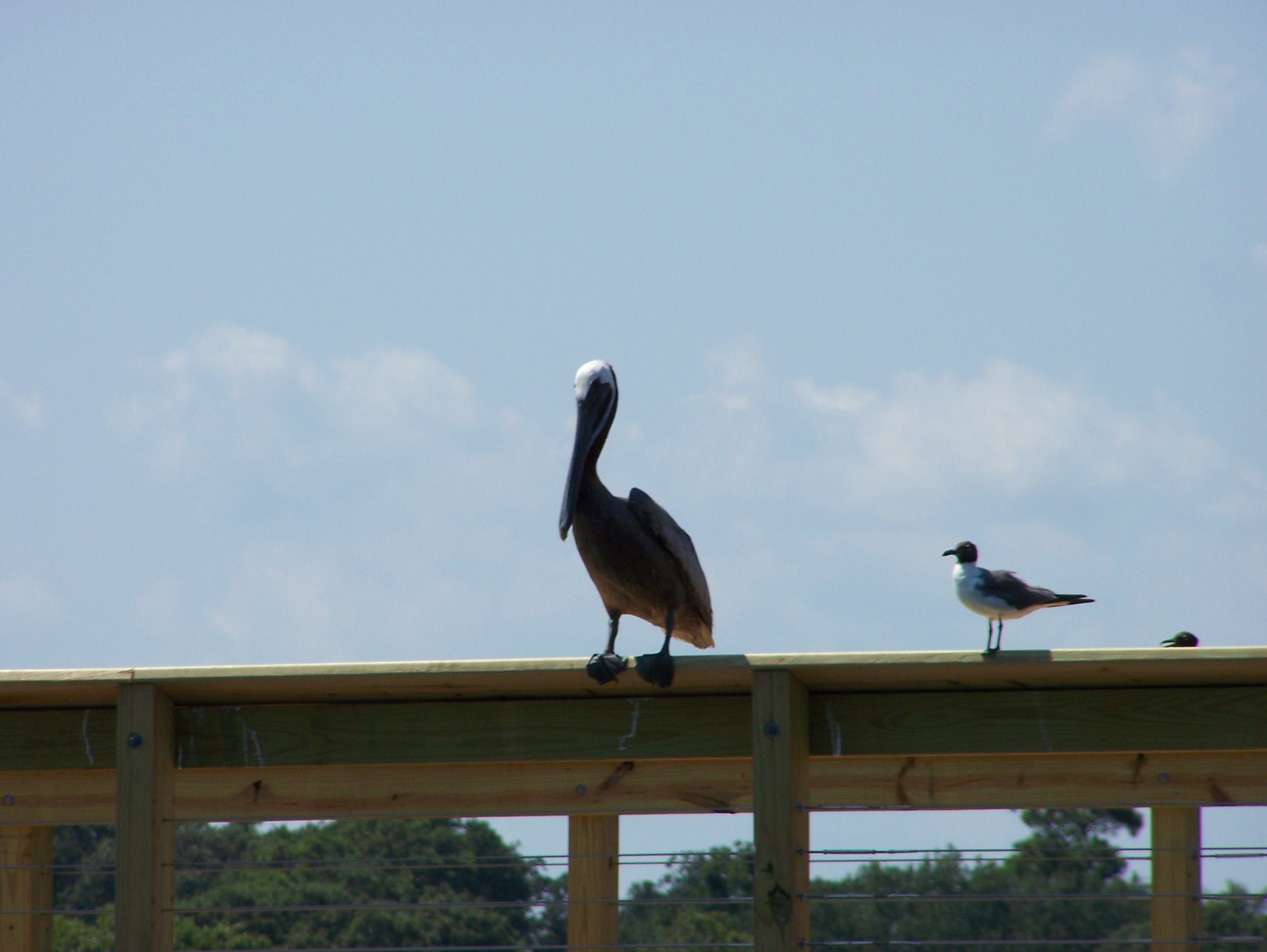
Pelican and friend
Pelican and friend

So I spent the day on the water, and the evening reading.  My idea of the perfect day.  Today I felt rejuvenated, ready to get back to my fictional world.  And while I was working on my tan yesterday, apparently I did get some other work done.  Subconsciously I must have been unraveling a tangled plot point I’ve been having trouble with, because this morning it had worked itself out in my sunburned head.

That’s the thing about being a writer.  I’m always working, either thinking about a story or picking up sights, sounds and smells for new ones.   At least that’s what I like to tell myself as I rub in the sunscreen.
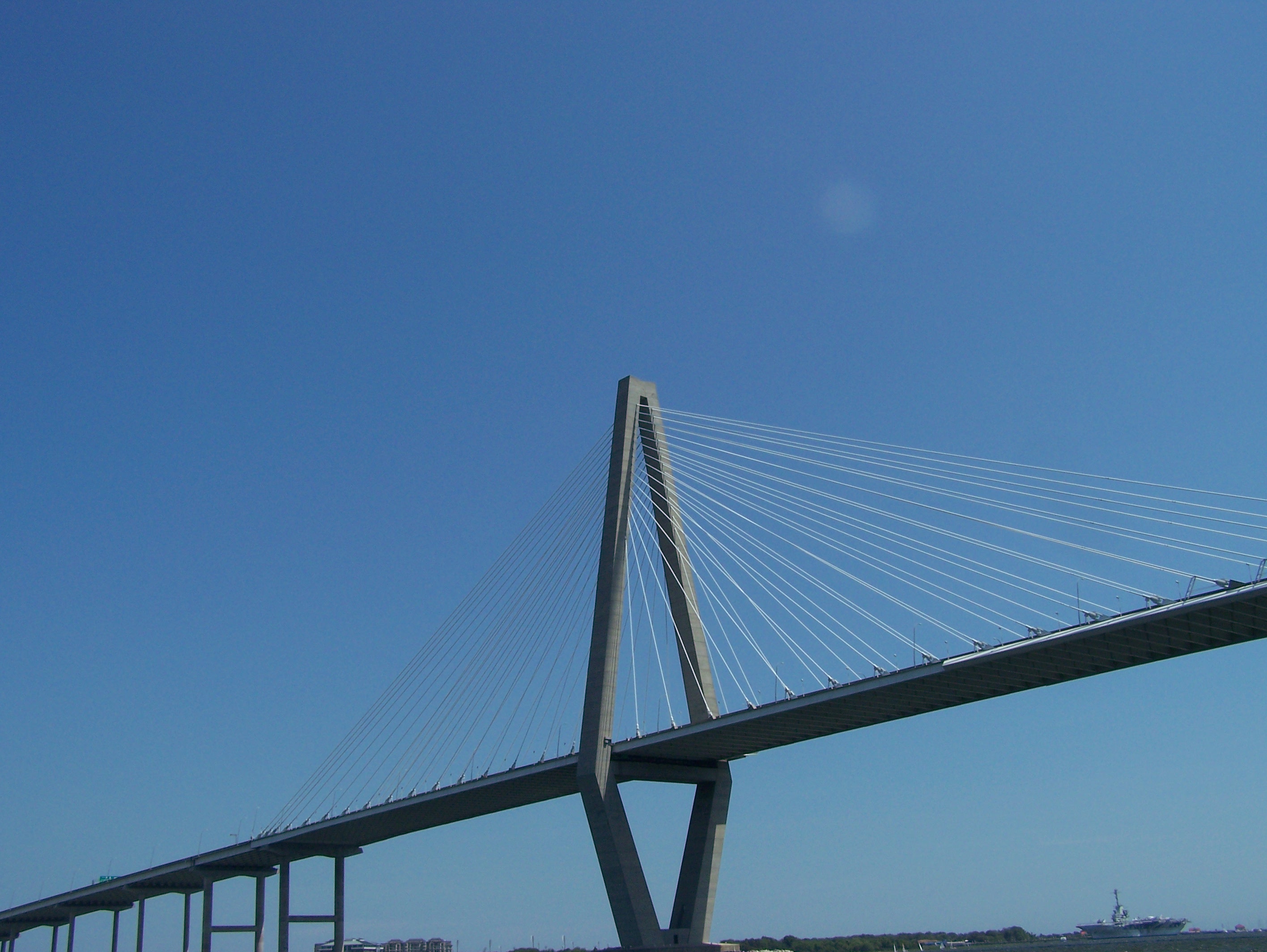
Arthur Ravenel Bridge
Arthur Ravenel Bridge from Mt P to Charleston

Liar, liar

“Fiction is the truth inside the lie.”
Stephen King

When people ask me why I write, I often tell them it’s because I like to make things up, and that fiction writers are the only people I know who lie and (sometimes) get paid for it.

Since I first learned to string sentences together I’ve exaggerated stories to make them more interesting and to get bigger reactions out of my listeners.  But while it’s cute at four to claim that your lost book got stolen by a monster who eats paper for breakfast, by eight or nine, unfair as it might be, you can’t get away with that sort of creativity.  Not that I quit trying.  It just didn’t go over very well anymore.

Then I started reading and I realized that writers were allowed to tell the kinds of stories I liked to tell, full of pretend people doing things that didn’t really happen. They made stuff up, fun interesting stuff nobody expected to be true.  Once I figured that out, I knew I had to be a writer. 

As a kid my daughter Allison had an imaginary friend who hung around much longer than most imaginary friends do, probably because Ali had created such a complex and detailed life for her that she became real to my daughter.  She couldn’t quit believing in Mary Camelson.  She actually had to kill her off to get rid of her, so one day Mary was run over by a car.  I think I mourned her loss longer than Ali.

That’s what being a writer means to me.  Believing in the fictitious so completely that it becomes true.  Wanting to know what the story means, how it ends, and what happens to those made up but very real characters.  Working to get at the truth inside the lies, as Steven King said. 

And of course the best part is I get to have all the imaginary friends I want.  And nobody can call me a liar when I make up stories about them.

I’m a Writer, Y’all

Often, in interviews with writers who happen to have been born in or who reside in the south, the question is asked, “What does it mean to be a southern writer?” or “Do you mind being called a southern writer?”

Now, let’s leave aside the fact that if you were born in New Jersey you’re not asked what it means to be a writer from the northeast, and if you live in Ohio you’re not necessarily classified as a Midwestern writer.  I can accept that southern writing has traditionally had a strong regional identity.

But the south of William Faulkner and Flannery O’Connor is not the south of today.  Globalization and air conditioning have changed southern towns in ways no invading Yankee army ever could.  Retirees from New Jersey live next door to Daughters of the Confederacy.  Interracial couples walk the streets where the Klan used to gather.   Instead of hanging out in the barber shop, people meet up at Starbucks.  And while there are still some who insist on clinging to the past, most people of the south have happily entered the twenty-first century.  The once strong regional identity has evolved into something much more homogeneous.

So what does it mean to be a southern writer these days?  I could talk about Grit Lit (southern lit about working class whites) or beach books or books about sweet tea and racism and “the help,” but I don’t think writing these books necessarily makes you a southern writer. I think it’s a certain voice, a certain rhythm that you hear in your head when you write.  It’s just different from the rhythm of Junot Diaz or Annie Proulx or Jonathan Lethem.

This is not to say that all southern writers have the same voice or rhythm.  Think Dorothy Allison, Carl Hiaasen, and Alice Walker.  There couldn’t be three different writers, and yet they are all distinctly southern.

Am I a southern writer?  Absolutely.  After all, I am a writer, and I have lived most of my life in the south.  The voice in my head can’t and never will be anything other than southern.  That doesn’t mean I write about pick-up trucks and sand dollars.  What it means is that my fiction is informed by the language I heard in childhood.  By the Georgia hills rolling though my grandfather’s stories and the soft gentle flow of my mother’s whispers.

I don’t mind being called a southern writer.  But I don’t want to be classified or pigeon-holed.  I am first and foremost a writer, just trying to tell my stories and make use of the language I know.  Which is what every writer does, whether southern or Midwestern or Dominican.  We each have unique experiences to share.  We just tell them in different accents, y’all.