Are Your Characters Material Girls?

I’ve been thinking a lot about stuff lately.  Not stuff in the big picture kind of way but actual stuff.  Things.  Material possessions.

Mostly because I am trying to figure out a way to get my stuff, which has been in storage and at friends’ houses, down here to SC.  Wondering what I need, what I don’t need.  Now it stands to reason that if I haven’t needed it in 2 years I probably don’t need it at all.  And that may be true.  But some of that stuff is part of who I am.  My Uncle Bob’s cane from 1900.  My boxes and boxes of books. The wonderful pottery my oldest daughter has made over the years.  The childhood creations of my youngest daughter.  My snowglobe collection.  Silly items, some of them, and unnecessary in the great scheme of things.  But things that hold significance to me. Things that chart a life. Not define it, but trace its roots, and its path.

I got rid of much of my stuff when I went into storage: furniture, kitchen ware, clothes, jewelry, my old TV.  I’m not terribly materialistic, and those things held no importance to me.  But my Bee Gees albums from the 70s, well, those are part of my past.  And the Anne of Green Gables books, and the Black Stallion books, and the snow globes from all over the world, they are a time capsule of the Christy I was at different times in my life.  The Christy in bellbottoms crying over How Can You Mend a Broken Heart? or singing along to How Deep is Your Love? Or David Bowie singing Changes while we danced around in our underwear in the college dorm.  Or the first time I read Anna Karenina and thought my life had been changed forever.

I think the things that are important to a person say a lot about who that person is.  I find I don’t have much in common with people who treasure their cars (though I did love my Saab convertible) or their jewelry (though I have my great grandmother’s engagement ring and wouldn’t part with it for anything).  But stuff for stuffs sake doesn’t interest me.  You can keep your Mercedes and your 5000 sq foot house and your big screen TV.

I’ve been applying this to my writing lately in interesting ways.  Showing a character’s attachment to certain possessions can tell us so much about him without ever having to say anything else.  Say a character has a collection of maps papering her bedroom wall but has never been anywhere outside of her hometown.  You can feel the longing without ever saying she really wants to get out of where she is.  You just know she is too afraid to go anywhere outside her comfort zone but wants to desperately.

Think about the material things you value.  Then think about all that other junk cluttering your life.  Why do you keep it?  I know a woman who collects margarine tubs – thousands of them.  When asked why she keeps them all, she says, you never know when you might need them.  Is that fear really about being without a margarine tub?  My guess is it that it is a fear of something much deeper, like empty cupboards.  I’ll let the professionals figure her out, but I can use that same sort of thing to show the fears and wants of a character in a way that makes us empathize with her, understand her.

Get to know the things your characters want, and need, and treasure.  I bet you’ll get to know them much better.  Then do the same with your own stuff.  What is important to you and what does that tell you about yourself?
The Magic of Revision

I have a story that I love that hasn’t found a home yet.   I really believe in this story.  That said, I know it could be better.  I sent it out to a few places, against my better judgment but antsy to get it into the world, and sure enough, it was rejected.  So when an astute reader I know offered to take a look (thanks Gary) I sent it off to him and he replied with a wonderfully insightful email about where it needs work.  Lots of great stuff about thinking of the story as a play and keeping the action all on stage.  Just what I needed to remember for this particular piece.

Now it’s time to dig back into it and make it the story I know it can be.  Revision time.  Unlike lots of writers, I love the revision process, especially when I’ve been away from the story for a while and can look at it with fresh eyes.  As my friend Kristen-Paige Madonia says, “Revision is where the magic happens.”  And I believe that.  It’s where things begin to bubble to the surface, things that you never knew were down there under all that pretty prose.  Deeper meanings.  Themes.  I’m often surprised when I’m heavy into revision by the things I find.  It’s like discovering a story by someone else.

Supposedly, Hemingway rewrote the ending to Farewell to Arms 39 times.  I know it sounds like a lot, but I totally get it.  Sometimes you just can’t get the words quite right, and you have to keep trying and trying.  As Truman Capote said, “I believe more in the scissors than I do in the pencil.”  Or in my case, the delete key.

Now I’m not talking line editing. I’m talking serious revision, as in re-visioning.  Really looking at the story in a different way, from a different angle.  It may mean that I slice and dice some of the stuff I like the best, but if that’s what it takes, that’s what I’ll do.  Because in the long run it’s not about those (in my mind) brilliant sentences. It’s about the story.  About making the story as a whole brilliant, or at least as close to brilliant as I can make it.

I’m excited to revisit this story.  There are some stories I get sick of before I can get them right, but I don’t think that will happen with this one.  It’s my favorite kind of story, full of normal people behaving badly. The beginning and the ending work for me – it’s just the middle (or muddle) that needs the work.  At least, I think.  But I can’t be sure until I get in there and dig.  Who knows?  I might find something I never knew was there.

Polish up your best writing and apply for a residency today

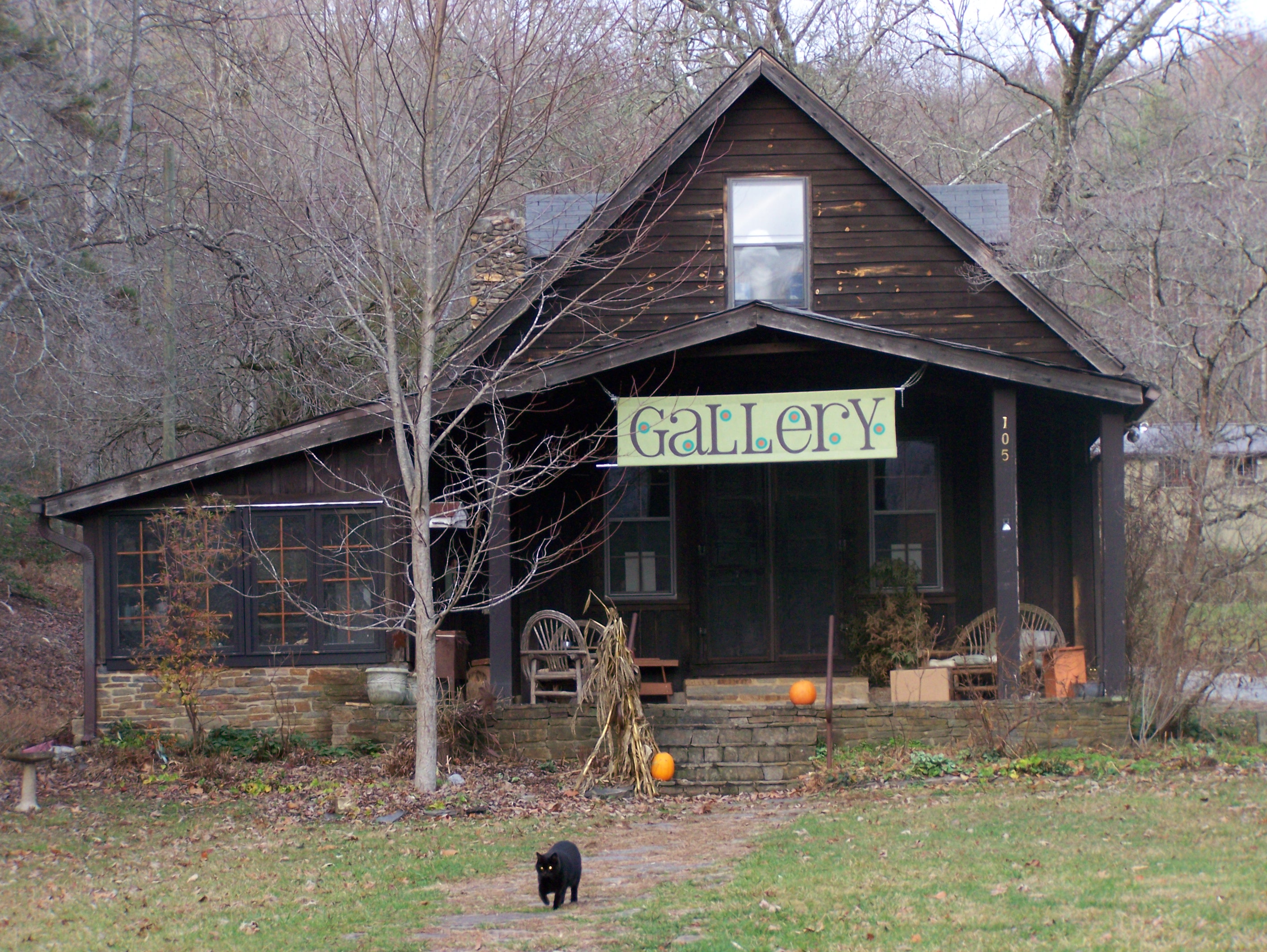
It’s that time of year again – the time when I start dreaming of fall in a cabin somewhere, with nothing to do but write. Yes, I know it’s only spring, and soon it’ll be beach time, but deadlines for fall and winter residencies are looming, and I’m itching to apply.

For the first time in several years I won’t be applying for residencies, though.  Too much else is going on.  Life has interfered.  I’m still trying to get settled in Charleston, and I’ll probably be going up to Charlottesville sometime in June or early July to get my things out of storage (after 2 years, lord knows what I’ll find).  Then I’m headed to Boston for a few weeks in early September.  I’ve decided that the rest of the year I need to stay put and try writing in my own space.  There’s always winter 2013.

But damn, those deadlines make me antsy.  To make myself feel a little better, I’m going to use my energy encouraging other writers to apply.  So, I’m going to list some deadlines coming up and a brief overview of the programs, along with links to the sites.  (Check out my earlier post for some suggestions on how to decide which residencies to apply to.)

MacDowell Colony – April 15 for residencies October – January.  Peterborough, New Hampshire.  The Holy Grail of residencies, it’s very competitive, but I’ve known writers without books to their credit who’ve been accepted.  There are no residency fees and all meals are provided.  Visual artists, writers, and composers all stay at MacDowell.  There are 32 studios on 450 acres.  I haven’t gotten up the nerve to apply here yet, but plan to next year.

Hambidge – April 15 for September – December residency period.  Northern Georgia.  Two to eight weeks, 9 writers and visual artists at a time.  It is a bit remote, but amazing.  Some of my experiences are chronicled in previous posts.  Artists contribute $200 a week, but there are some limited scholarships.  Dinners are provided Tuesday – Saturday.

Virginia Center for the Creative Arts – May 15 for residencies October – January.  Two weeks to two months, 25 writers and visual artists at a time.  Artists are asked to contribute what they can afford to the daily cost.  Housing is in dorms, and bathrooms are shared.  Great for getting to know other writers and artists.  All meals are provided.

The Studios of Key West – May 15 for October 2012 – August 2013.  Key West, baby.  When I went there was only one resident at a time, but now they have several other studios.  The residency is free, but no food is provided.  Apply for this – it’s fabulous.

Ragdale – May 15 for residencies Sept – December.  Located outside Chicago.  $35 a day fee, but there is limited financial aid available.  8 – 12 artists and writers at a time, 2 – 6 week residencies.  Dinners are provided 6 nights a week.  This one is at the top of my list to apply for – I’ve heard it’s wonderful.

There are so many more, but these are the deadlines coming up.  Now get to work on that app – don’t you want to be sitting in a cabin in the woods (or a cottage in the mango trees) in November reading and writing?