From Hambidge: week 2

Weather here has swung from the high 60s to the low 20s and back again over the past two weeks, depending on what day it is and the moods of the mountain gods.  My productivity and state of mind have been much like the weather, fluctuating wildly.  Euphoric over good news I received on Thursday, unhappy over the turn my novel was taking on Friday.  Moving from an all consuming six hour writing session on Tuesday to complete paralysis on Wednesday, when I couldn’t seem to stomach the novel and so forced myself to edit, just to keep in it.

The first time this happened to me, last year at VCCA, I panicked, experiencing a mind-numbing crisis of faith.  Now I know that it’s part of my rhythm, and I try to accept it.  There will be crazy productive times when I work until I run the well dry, and afterwards, I’ll have to step back and take a break.

A Walk in the Woods

Today, to clear my head and refuel, I got out and hiked a bit.  Nothing difficult, just a nice walk through the woods.  There are many more challenging trails than the one I took, but I’m only interested in the fresh air and a change of scenery, so I didn’t go far.  I didn’t need to.  Just that short walk helped shake loose my thoughts.

I’ve learned that I’m much more productive when I don’t put too much pressure on myself, when I get out and take in the scenery sometimes.  That’s what’s so great about writing – I can give myself permission to wander through the woods, because it’s part of the creative process.  Wouldn’t it be nice if all jobs allowed us to take mental health breaks and disappear into nature from time to time?

From Hambidge: Week 1

Son House

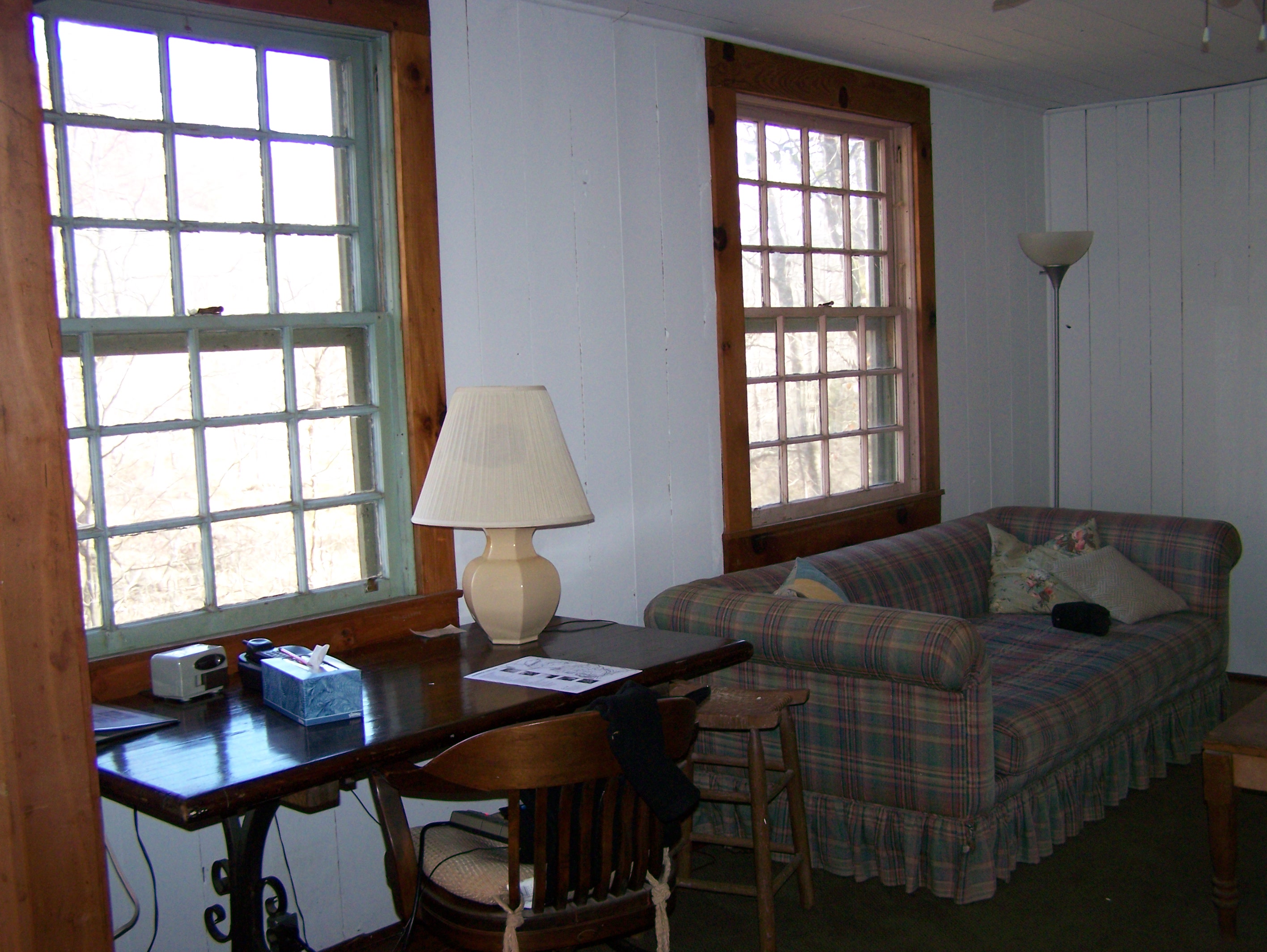
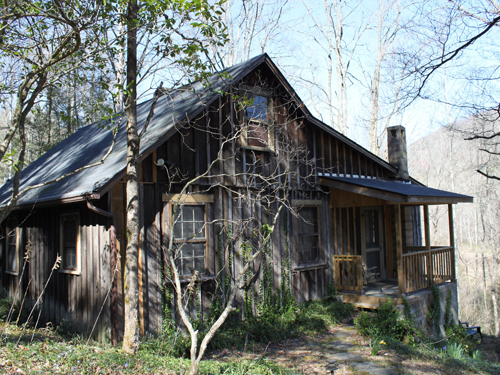
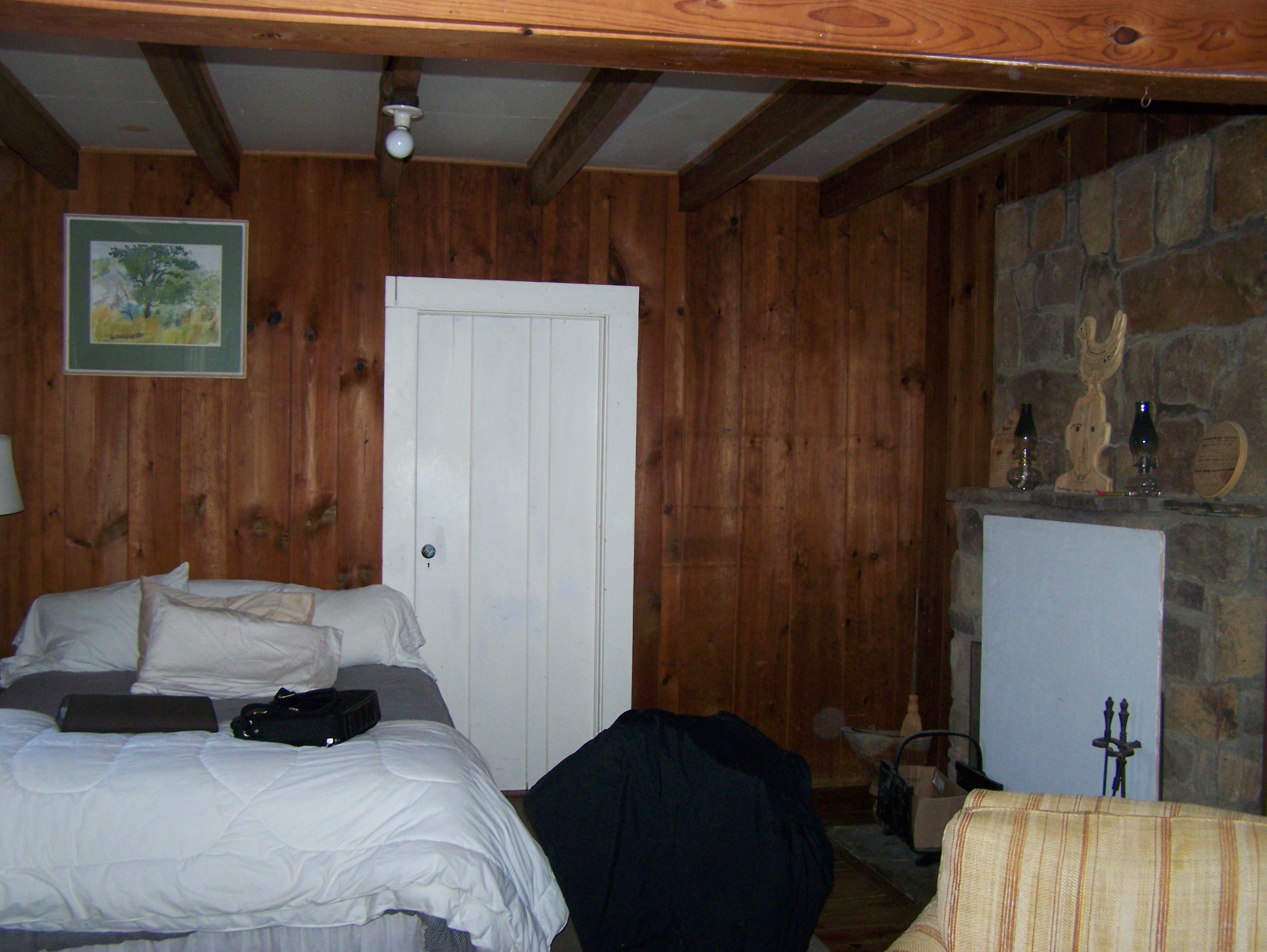
Hambidge is amazing.  Isolated and beautiful, with hiking trails and waterfalls and wildlife. Each artist is in her/ his own cabin, and while I haven’t seen all of the other cabins, mine is magical.  I have a bedroom, living room, workspace, dining room, and kitchen, all opened up to each other but partially separated from the rest of the space by a wall here and there.  Just enough to feel cozy.  I have a down comforter and a fireplace beside my bed, though it’s only really been cold enough to light a fire once.  None of the cabins are close to each other, and it’s rare I see another person during the day.  I do see the other writers and artists (there are eight at a time) at dinner.  They are all well-read, smart, creative people, and usually our conversations drift to books or art or social issues.  The food is wonderful vegetarian fare (thanks to Rae, the chef), and even the omnivores love it.

My days have fallen into the routine I’m most comfortable with when I’ve got long stretches of time to write.  I wake up around 8:30 or 9, eat just enough fruit to knock the edge off my hunger, reread what I wrote the day before and make notes and minor edits, have an early lunch, and then tie myself to my computer for two or three hours working on new material.  Mid-afternoon, I curl up on the fat comfy sofa and take an hour nap. Late afternoons are spent revising short stories I’ve had sitting in limbo for the past several months, or playing with flash fiction.  Then at five-thirty or so I drive up to Lucinda’s Rock House, where there is internet and I can treat myself to half an hour of connection to the outside world before dinner. When I get back to my cabin around eight, I read (I’ve powered through three books already) or make more notes on ideas for the novel.  Then to bed, usually much too late to be able to get up before 8:30 or 9 the next morning.

The quiet of the place is not for everyone, but it suits my need for solitude perfectly.  Probably the hardest thing here is the disconnect from all the incessant demands of technology.  No cell service, and internet service is available only in the main building.  But once people get used to it (it usually takes a couple of days of withdrawal) the absence of email and texts and ringing phones is very freeing.  Speaking of … excuse me while I disconnect
and go spend some quality time with my characters.

What to pack for your writing residency

Where I'll be in a few weeks
Hambidge cottage

The other day my friend Rachel and I were talking about what she needs to take for her residency at the Virginia Center for the Creative Arts, and she suggested that there might be others of you out there who would benefit from such a list.  While every residency is different and most do send  information on what to bring, I thought I’d share my experience here in the hopes that it might make someone’s packing a little easier.

If you’re flying, obviously you won’t be able to take everything you’d like for two or three weeks or a month away.  But make room in your luggage for:

  1. Books. A necessity.  If you can’t get them in your suitcase, ship them ahead. I read 2-3 books a week at residencies.
  2. A flashlight or headlamp.  Many residencies are in isolated locations and you’ll do a lot of walking, often on unlit paths.
  3. Walking shoes.
  4. Cash. There are usually laundry facilities, and you’ll need cash to run the washer and dryer.  You’ll also want cash for printing, copying or
    faxing.
  5. A power strip.
  6. An external hard drive or some other way to save your work.  You don’t want to risk losing all the brilliant writing you’ll get done, and you should be backing up your computer at least once a week anyway.
  7. An umbrella or hooded rain jacket.  Again, you do a lot of walking.
  8. A notebook.  When you’re out walking, you’ll often feel inspired to jot down ideas.
  9. Stamps and note cards.  If you don’t write notes to people, you should, and here’s your chance.  It just feels right at a residency.
  10. Headphones, if you like to listen to music while you write.
  11. Bug spray and sunscreen if you’re going any time other than mid-winter.
  12. Thumb tacks.  There are often cork boards in the studios, and I love being able to pin up character notes, timelines, etc.  I’m also a big fan of index cards for this.
  13. A nice outfit or two.  It’s great being able to wear sweats every day and to work in your pajamas, but by the end of a month you’ll be dying to
    dress like a grown-up for dinner or a reading.

If you’re driving, you have the luxury of filling your car with stuff you wouldn’t be able to take on a flight:

  1. Laundry detergent.  Usually you’re expected to provide your own, and it will save you a trip into town if you have it when you arrive.
  2. Candy. Preferably a 20 pound bag of Hershey kisses.  Not only will you need the chocolate for yourself – who writes without chocolate? – but you’ll want it to make friends.  Other writers will love you forever (or at least for the length of the residency) if you feed them chocolate.
  3. Wine.  If you like a glass with dinner, you’ll need to bring your own, and it’s not a good use of your time to drive around looking for a wine shop once you get there.  If  you’re like me, and can’t survive without Diet Cokes, take a couple of 12 packs.
  4. Printer and paper. It’ll save you the cost of using the printer in the office, and it’s nice to be able to print in your studio whenever you want.
  5. Any research materials you might need.  These can also be shipped if necessary.
  6. Shower caddy.  Often you share a bathroom, and it’s nice to have all your bath stuff in a carrier.

A final piece of advice.  If you’re one of those people who always pack way too many clothes when traveling, pull out about half of what you put in your suitcase. You’ll end up wearing the same thing over and over anyway.

Putting some thought into what you take will keep you from wasting valuable writing time once you get there.  And writing time is what it’s all about.