Yesterday I heard from Hambidge, an artist residency program in Northern Georgia. They hadn’t promised to notify before July, but for some reason I had expected to be contacted by now, so naturally I assumed that since I hadn’t heard yet I was being rejected. What a wonderful surprise to get my email yesterday afternoon with the first line “Congratulations!”
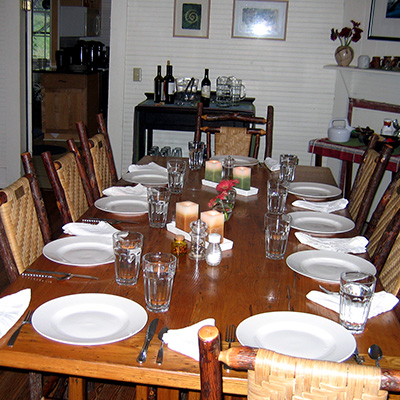
Hambidge dining room
I’ve been awarded the month of November, which was my first choice, so I’m thrilled. I’m not a big fan of Thanksgiving (I’m a vegetarian and hate to cook) and I always like to have somewhere to be so people don’t feel obligated to invite me for dinner and I don’t feel obligated to endure the family dysfunction of non-family. There’s nothing worse than having dinner with people you really like but wishing you were in some back room spending time with your keyboard and your characters.
I’ve mentioned before what a gift it is to receive a block of time with nothing to do but write. What I haven’t mentioned is the lift you get from that acceptance email or letter. Rejection is such a huge part of the writing life, and with enough rejection it’s easy to start feeling little prickles of self-doubt. When we have a story accepted for publication, though, or are offered a residency, we have proof that someone out there values our work. And that’s possibly the greatest gift of all.
“If only I could manage, without annoyance to my family, to get imprisoned for 10 years, without hard labour, and with the use of books and writing materials, it would be simply delightful!”
All writers dream of having the time and the space to write. But you don’t have to just dream. Consider applying for a residency at one of the many artists colonies across the country or around the world.
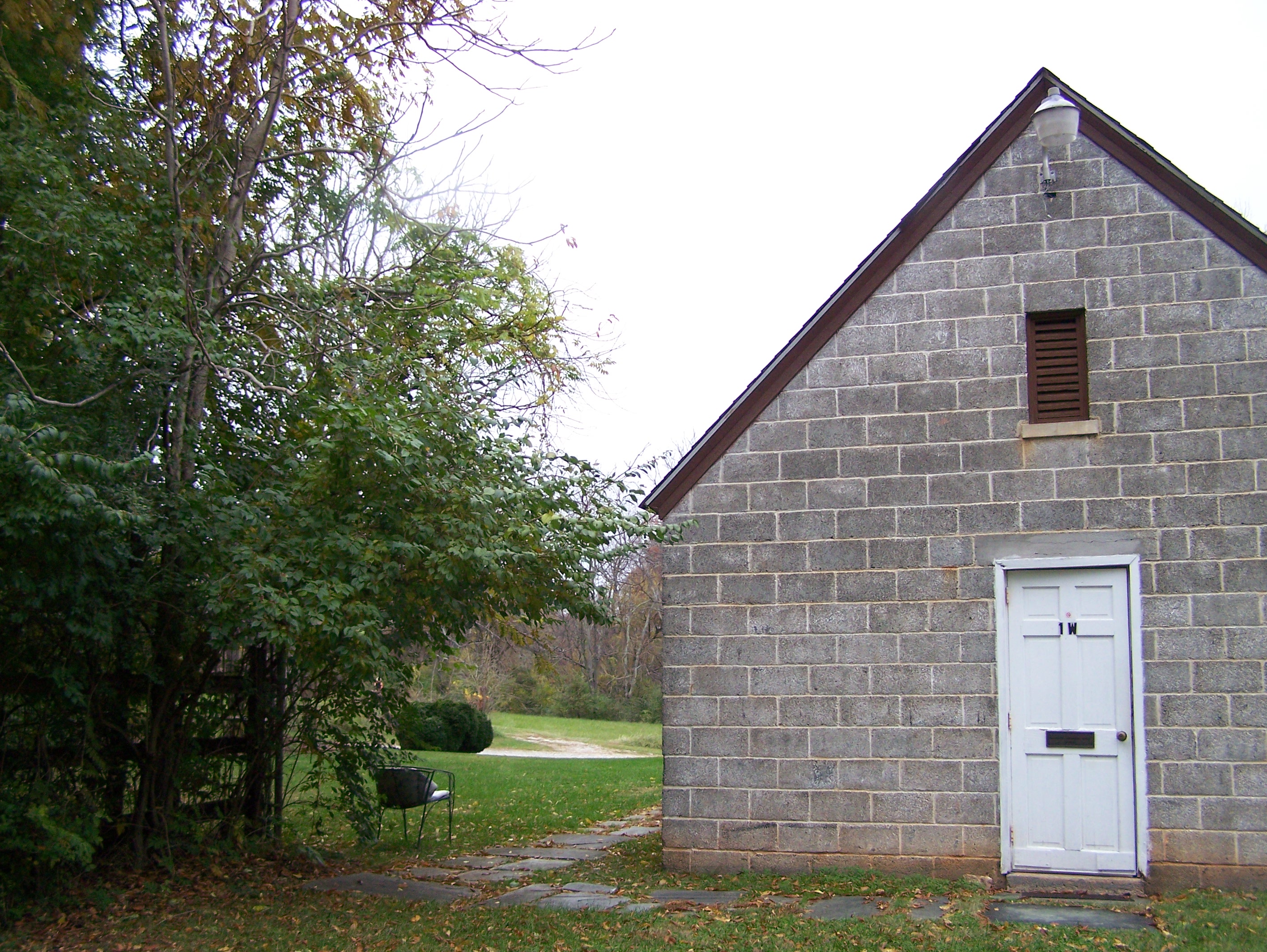
The Mango Tree House TSKW
When I first heard about artists’ colonies, I imagined that to be awarded a stay at one, you had to have published a book, and you needed to know the secret handshake to get into the clubhouse. The one I didn’t know.
In spite of the fact that I do not have a book published (yet) and am certainly not privy to any handshake, I’ve been lucky enough to be awarded two residencies: one at The Studios of Key West, and one at Virginia Center for the Creative Arts. Both were magical and productive, but they were very different experiences. TSKW is small, usually only one artist at a time, while VCCA has 20-25 artists in residence at any given time. TSKW is free, but you are responsible for your own food. VCCA has a small daily fee, but food is included. As different as they are, though, both gave me that most precious gift: the freedom to think of nothing but my interior world for weeks at a time.
When you have that freedom, amazing things happen. You take risks. You dream plot points during naps. You live and breathe your characters until the outside world becomes a little fuzzy, more like a dream world than your fictional one. You get more writing done in a week than you normally get done in a month.
For anyone interested in a residency, I recommend you do some research. Decide exactly what kind of experience you are looking for, and which residencies meet your needs. A couple of things you may want to consider:
Do you want to meet other artists, or do you prefer to be by yourself most of the time?
Is location important to you? Do you work better by the ocean, or in the mountains? Do you need to be close to home or further away to relax? Are you afraid of being in an isolated location?
Is it more important that someone prepares your meals, or that you determine your own meal choices and schedule?
What is your minimum comfort level? (Some residencies are in cabins heated only by wood stoves.)
How long do you want to be away?
There are many artists’ colonies out there. A good place for information is the Poets & Writers website, www.pw.org. They have listings of residencies and their application deadlines, as well as links to the websites so you can find out more about them. Another great resource is the Alliance of Artists Communities, www.artistcommunities.org. In addition to the info on their website, they put out a directory of residencies which can be purchased on Amazon.
The application process can be time consuming, and there are often application fees. Be prepared to be rejected, but don’t take it personally. There are many more applicants than spaces available. For example, last year Hedgebrook received over 800 applications for something like 40 slots. But it’s well worth the effort, and as in all of the writing life, persistence will eventually pay off.
I’m far from an expert, but I’ll be happy to answer any questions you might have about starting the process. Just ask away in the comments, or email me.


 Christy Strick